Six base towns, a stretch of Wales, and free days placed after the long travel days instead of squeezed out by them.
This is a sample plan, made by Fingerpost for a group of example travelers who wanted to see England’s best-known corners in two weeks without living on a coach. What you see here is the route and every day of it, with every stop in full.
Your own plan is built from your answers: your dates, who is traveling, your budget and what you love. It would not look like this one. See a sample day for your own destination. Prices and hours below were checked on October 11, 2026 and can change, so confirm them before you go.
Built from a 10-minute setup interview: dates, who’s traveling, pace, what they love and what to skip. See how the interview works.
Thirteen nights, six places to sleep. Each town gets at least two nights, so you unpack once and then spend a full day or two there. The coach days between towns are the long ones, and the plan treats them that way.
| Base town | Nights | What it is for |
|---|---|---|
| Bath | 3 | The Roman Baths, a day out to Glastonbury and Wells |
| Stow-on-the-Wold | 2 | Avebury and Oxford on the way in, then the Cotswold villages |
| Conwy, Wales | 2 | Medieval town walls, Caernarfon Castle and Snowdonia |
| Keswick | 2 | Derwent Water, a free day in the Lake District |
| York | 2 | Hadrian’s Wall on the way in, the Minster, a free afternoon |
| London | 2 | The Tower, the river and a last dinner |
One honest note on the map: this route passes through Wales. Conwy and Caernarfon are in Wales, not England, and two of the 13 nights are spent there. It is part of what makes the second week feel different from the first.
Open any day to see every stop, with times, prices and sources.
Centrally located hotel — the tour page does not publish specific property names.
The tour notes carrying/rolling your own luggage to reach hotel rooms on arrival days — worth a bag with wheels and a light packing list.
Keep your booking confirmation and any door codes in your phone's Wallet or a shared Note — never written into this plan.
Rick Steves publishes no late-arrival procedure. Save the hotel's number and the tour's On Call line on all three phones (numbers are on the Tour Interruption Resources page; keep them in Wallet, not here). Call as soon as a delay looks likely, not after 4pm. The group meeting spot is on a sign in the hotel lobby. Taxis wait at Bath Spa station. Missing the walk is fine; make the roast dinner.
Centrally located hotel — the tour page does not publish specific property names.
Nothing you must do. One sight and one sit-down. Skip No. 1 Royal Crescent museum, it's closed Mondays.
Centrally located hotel — the tour page does not publish specific property names.
Glastonbury Abbey's grounds and Wells Cathedral's floors are old stone — flat shoes, watch your footing.
Centrally located hotel — the tour page does not publish specific property names.
Centrally located hotel — the tour page does not publish specific property names.
Centrally located hotel — the tour page does not publish specific property names.
The town-wall walk is narrow, stepped cobbles in places.
Centrally located hotel — the tour page does not publish specific property names.
The tour page says the rest of the day is free and lists no group dinner. Keep it low effort after Caernarfon.
Centrally located hotel — the tour page does not publish specific property names.
A 5-hour day can slip with traffic. Ask the guide about check-in; dinner plans shifting is normal. Choose walk-in pubs tonight, nothing booked tight.
Centrally located hotel — the tour page does not publish specific property names.
If we go for the hike or the Castlerigg walk rather than the boat, it's proper hill terrain, not a stroll.
Suggested combo: Friar's Crag in the morning, the launch after. Castlerigg only if it's dry. Skip the high fells.
Centrally located hotel — the tour page does not publish specific property names.
One of the tour's named strenuous stretches — proper walking shoes.
Hadrian's Wall, Vindolanda and a 5-hour drive is the day most likely to slip. The guide reorders things and the included dinner is held. Keep water and a snack in your day bag.
Centrally located hotel — the tour page does not publish specific property names.
Suggested shape: short wall walk or the railway museum, evensong, then dinner.
Centrally located hotel — the tour page does not publish specific property names.
A train then a bus stacks up delays. If you arrive after 6, skip the theater; it's a nice-to-have.
Buy from official sources only, no street resale. Mid-range seats roughly £50–90. Thursday is easier than a weekend.
Centrally located hotel — the tour page does not publish specific property names.
Best fit for your likes: Borough Market and the South Bank. Check the prices below on the official sites before booking.
Not booked by the tour — worth sorting this before the trip.
Prices and hours were checked when this plan was made (October 2026) and can change. Confirm them before you go.
Bath is where the trip starts, and it gets three nights: an arrival evening, a day in town and a day out to Glastonbury Abbey and Wells Cathedral. The Roman Baths are open daily from 9 a.m. to 6 p.m. from September 1 to October 31, with last entry at 5 p.m. (checked October 11, 2026). They are closed on December 25 and 26, and last entry is earlier on December 24. Buy tickets only on the official site, which warns about copycat sellers. We left out the ticket price, because the pages we found showed different seasonal rates.
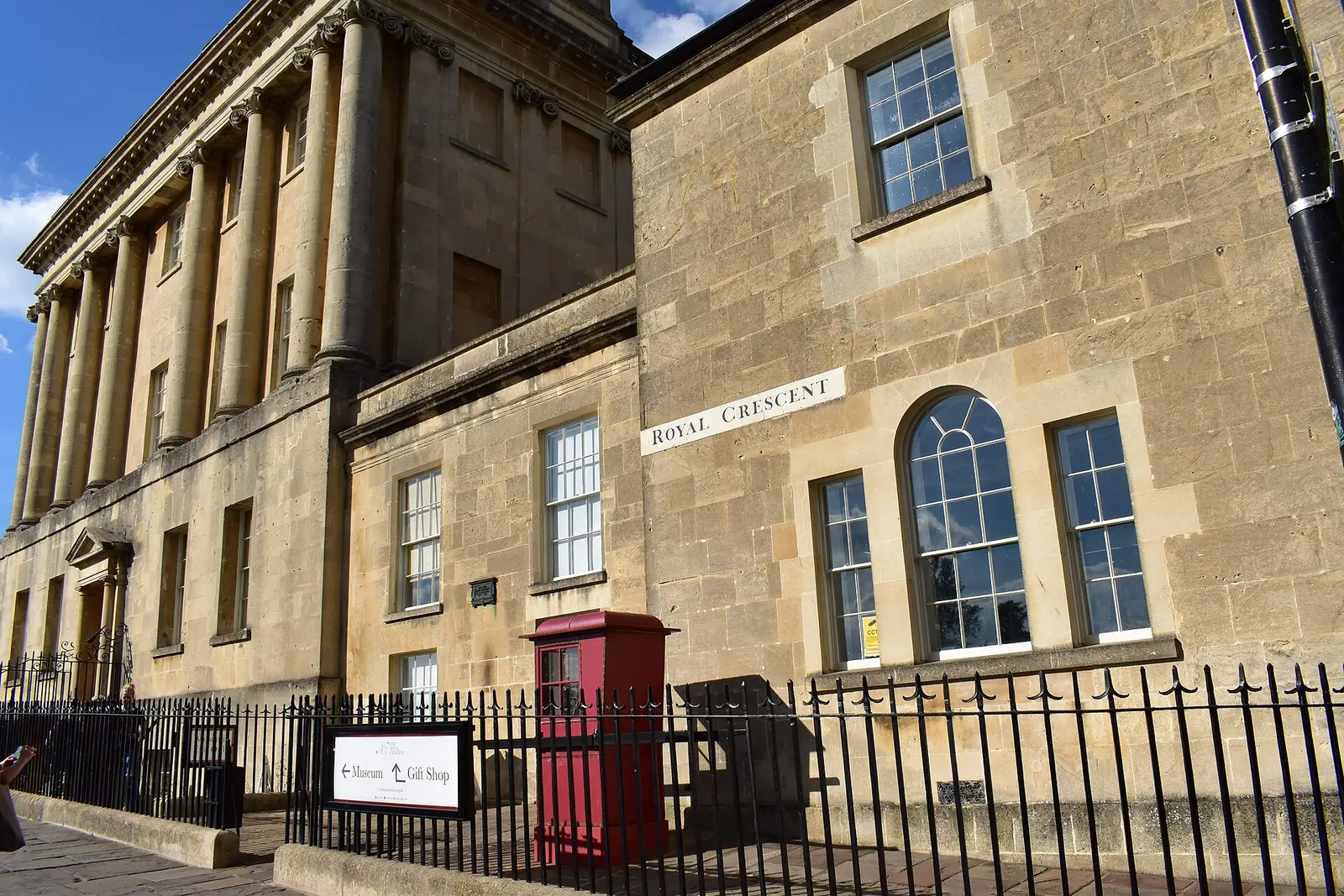
Day 2 deliberately stops after the Baths. The plan leaves the afternoon open with one rule: pick one sight and one sit-down. No. 1 Royal Crescent is a good pick, open Tuesday to Sunday, so not on a Monday (checked October 11, 2026).
The Cotswolds days are the gentle ones. Day 4 is a moving day, with stone circles at Avebury and a walk around Oxford on the way to Stow-on-the-Wold, and day 5 stays put around the villages. Some Cotswold houses open only on a few summer afternoons, so in autumn the day is built on the villages and a walk rather than an indoor visit.
Day 9 is the free day, and it comes right after a five-hour coach day to Keswick. That is the point. A free day only works if the day before it did not use up your energy, and if it asks you to make one decision, not six. The plan suggests Friar’s Crag in the morning and the boat after lunch, with Castlerigg only on a dry afternoon. Friar’s Crag is cared for by the National Trust, and its route is level (checked October 11, 2026). Castlerigg is run by English Heritage, free to enter in daylight hours (checked October 11, 2026). Boat sailings run on seasonal timetables, so check the operator before you build the day around one.
The last stretch is the busiest. Day 10 is Hadrian’s Wall, a Roman fort at Vindolanda and a first walk around York, and it is the day most likely to run late, so the plan keeps that evening’s dinner flexible. Day 11 gives York’s Minster the morning and your own afternoon. Day 12 is a travel day, by rail and then road, with theater only if you arrive early enough. The Tower of London gets day 13. Hours and prices there vary by day and season. Look at the Historic Royal Palaces site for your date.
Three habits come out of this route. Count the nights in each town and give every base at least two. Put a free day on the other side of a long travel day, never before it. And check the opening days of any house or garden before you build a day around it.
That is how a plan from Fingerpost is meant to read. You can rate it stop by stop, and a revised plan comes from your ratings, as how it works explains. If it is your first trip across the Atlantic, start with how to plan a UK trip from the US. If London is your whole trip, read the London itinerary, and browse all sample itineraries. When you are ready, see pricing.
Tell us where, when and who is coming, and get a day-by-day plan like this one for your trip.
Plan a trip